Copying the Pros, Skipping the Support System: The Injury Cost of Amateur Overreach
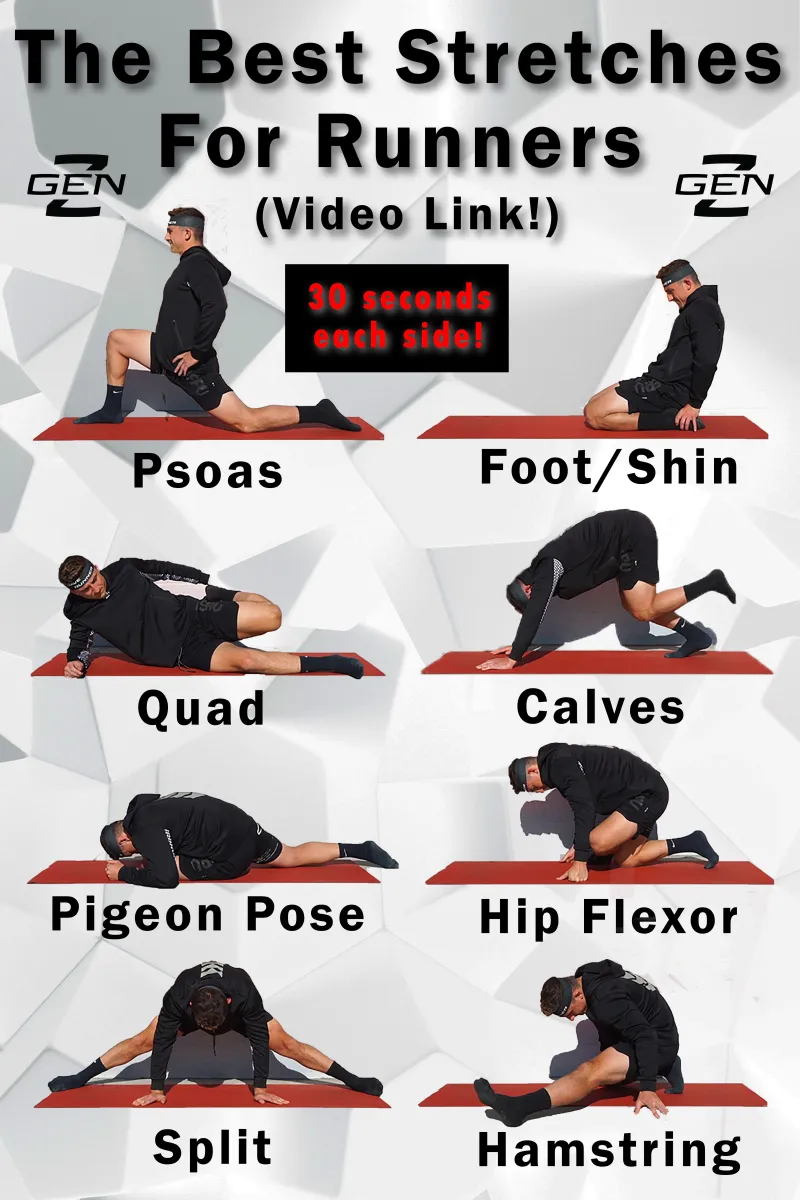
Photo: exhausted amateur runner stretching at home after training, via i.pinimg.com
Scroll through any training app or social feed and you'll find them: marathon plans built for athletes sponsored by shoe companies, strength programs lifted from NFL combine prep, cycling blocks modeled on Tour riders. Amateur athletes are consuming professional training content at an unprecedented rate, and sports medicine professionals are watching the consequences arrive in their clinics.
The programs themselves are rarely the problem. The problem is the ecosystem that surrounds them — and what gets lost when you extract the training from it.
What the Downloaded Plan Leaves Out
A professional training load is not just a schedule of workouts. It is a complete recovery architecture: daily physiotherapy, nutrition teams, sleep tracking, massage, altitude simulation, and — critically — a job that revolves around the training rather than the other way around.
When a recreational athlete working 50-hour weeks imports a pro's volume without importing any of that support, they are not training like a professional. They are doing a professional's workload with an amateur's recovery budget. Sports medicine clinicians describe the predictable result: overuse injuries — stress reactions, tendinopathies, and chronic fatigue patterns — that cluster precisely among the most motivated amateurs.
There is a certain irony in the profile of the typical injured patient. It is rarely the casual participant. It is the dedicated one, the person disciplined enough to follow an elite plan to the letter and too disciplined to rest when the plan's hidden assumption — professional-grade recovery — doesn't apply to them.
The Equipment Layer of the Problem
The gear market feeds this dynamic. Marketing sells the same shoes, bikes, and recovery tools used by sponsored athletes, creating the impression that equipment equivalence means load equivalence. It doesn't. A $300 recovery percussion device cannot substitute for eight hours of sleep, and a carbon-plated shoe does not make high-volume training safer — if anything, the racing sensation it provides encourages amateurs to run faster on easy days, compounding the load problem.
A Sane Scaling Strategy
The alternative is not abandoning ambition. It is scaling intelligently:
- Reduce volume before intensity. Pros can absorb enormous mileage because of their recovery infrastructure. Amateurs should keep quality sessions and cut total volume by 30–50% from pro templates.
- Schedule recovery like it's a workout. One full rest day and one genuine mobility session per week is a floor, not a luxury.
- Progress on a 4-to-6-week clock, not a weekly one. Hold load steady long enough for tissue — tendons and bone adapt slower than fitness — to catch up.
- Treat sleep as the primary recovery tool. No gadget outperforms it, and no plan works without it.
- Get a movement screen before starting any elite-derived program. A physical therapist can identify the asymmetries that a professional support team would have already corrected.
Respect the Difference
Elite training plans are published because they make good content, not because they transfer cleanly to ordinary lives. The athletes they were built for have recovery infrastructure that most readers can only approximate. The ambitious amateur's real competitive edge isn't copying the pro workload — it's building a sustainable version of it that still allows showing up healthy next month, next season, and next year.