Where the Money Doesn't Move the Needle: Mapping the Real Performance Dividends of Premium Gear

Photo: U.S. Army, CC BY 2.0, via Wikimedia Commons
Every serious athlete has faced the same checkout dilemma. Two pieces of equipment sit side by side: one carries a professional price tag and a shelf of tour credentials, the other costs a fraction as much and promises nearly identical specs. The right answer, it turns out, depends far more on the category than the marketing would suggest.
Independent testing from labs and publications that measure equipment objectively — rather than review it emotionally — reveals a pattern that budget-conscious competitors should understand before spending another dollar.
Where the Premium Price Buys Nothing Measurable
Running shoes are the clearest example. Once you move past the $110–$140 range, biomechanical testing shows diminishing returns. A well-fitted trainer in the mid-tier often matches its $250 flagship counterpart in energy return, durability, and injury-risk profiles. What the extra money typically purchases is aesthetics, athlete endorsements, and marginal weight savings that matter only at elite racing pace.
Baseball and softball bats follow a similar curve. USA Baseball and USSSA certification standards mean every approved bat must fall within performance ceilings. A $130 alloy bat and a $400 composite model can post strikingly similar exit velocities in controlled testing. The composite may offer a larger sweet spot and better feel, but raw measured output rarely justifies a 3x price gap for developing players.
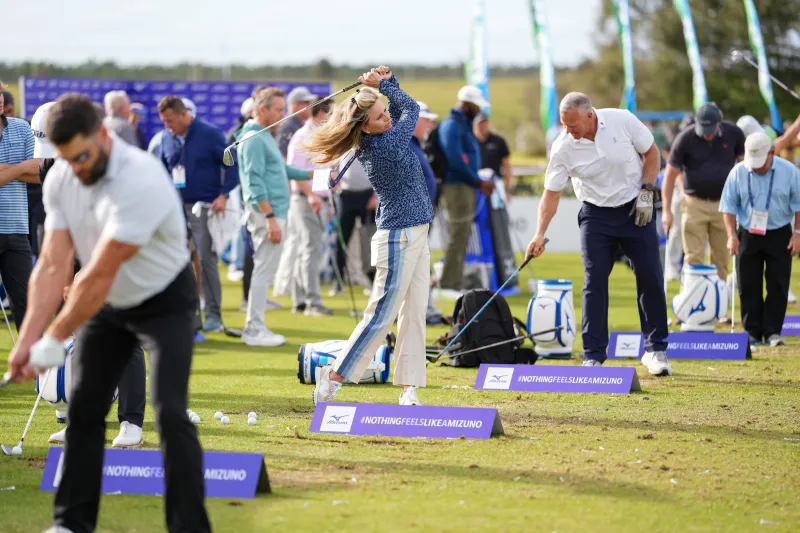
Golf balls tell a comparable story for most amateurs. Launch monitor data consistently shows that average club golfers lose almost nothing playing a $25 ball versus a $55 tour model. The differences emerge in spin control around the greens — a skill most recreational players haven't yet developed enough to exploit.
Where the Extra Spend Genuinely Matters
Cycling is the counterexample. Aerodynamic drag dominates performance on the road, and wind tunnel engineering is expensive to develop and expensive to buy. A genuinely aero wheelset or frame delivers measurable watt savings at every speed above roughly 15 mph. Here, the premium tier isn't fashion — it's physics, and the physics costs money.
Running watches and cycling power meters occupy a similar space. The sensor quality, GPS accuracy, and battery engineering in top-tier devices translate directly into better training decisions. In categories where the product is fundamentally a measurement instrument, precision costs money and delivers value.
Footwear for court and field sports also rewards investment — but for a specific reason. Premium soccer cleats and basketball shoes often incorporate superior traction patterns and lockdown systems that reduce slipping and ankle roll. The performance gain is actually an injury-prevention gain, which is harder to see in a spec sheet but far more valuable over a season.
A Framework for Allocating a Limited Gear Budget
When funds are finite, allocate using three questions:
- Is this a measurement instrument or a comfort product? Instruments (power meters, GPS watches, heart-rate straps) justify premium spend. Comfort products rarely do.
- Does the category have a regulatory performance ceiling? Bats and balls do. When everyone's output is capped, expensive engineering buys feel, not results.
- Does the upgrade reduce injury risk? Traction, fit, and protection are the quiet categories where spending more genuinely changes outcomes — because the alternative is time on the sideline.
Apply the answers ruthlessly. A $600 budget is better spent on a quality power meter, well-fitting cleats, and a mid-tier bat than on a flagship bat, a basic watch, and clearance-rack shoes.
The Bottom Line
The premium tier exists for legitimate reasons — but those reasons apply unevenly across sports. Athletes who understand which categories reward spending and which punish it gain a competitive advantage that has nothing to do with equipment at all: they simply have more money left for coaching, recovery, and the gear that actually matters.