Demo, Rent, Return: The Serious Athlete's Playbook for Testing Gear Before It Costs You
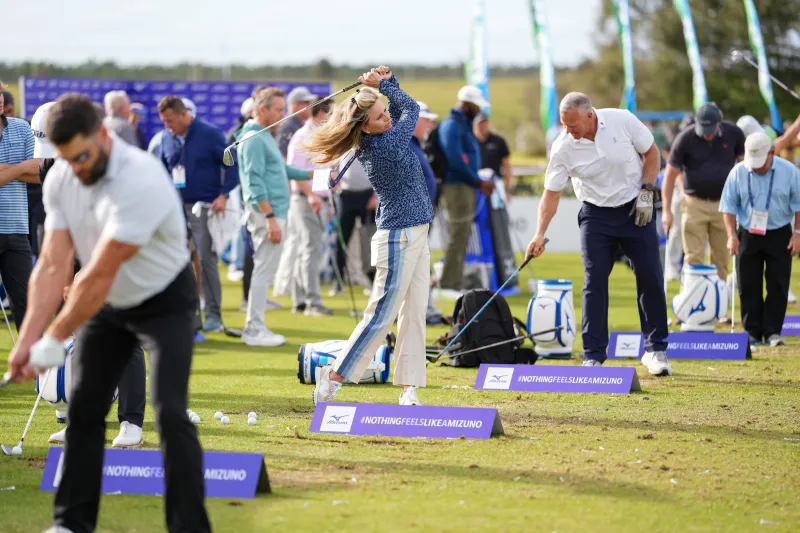
Photo: golfer testing demo clubs at driving range, via images.ctfassets.net
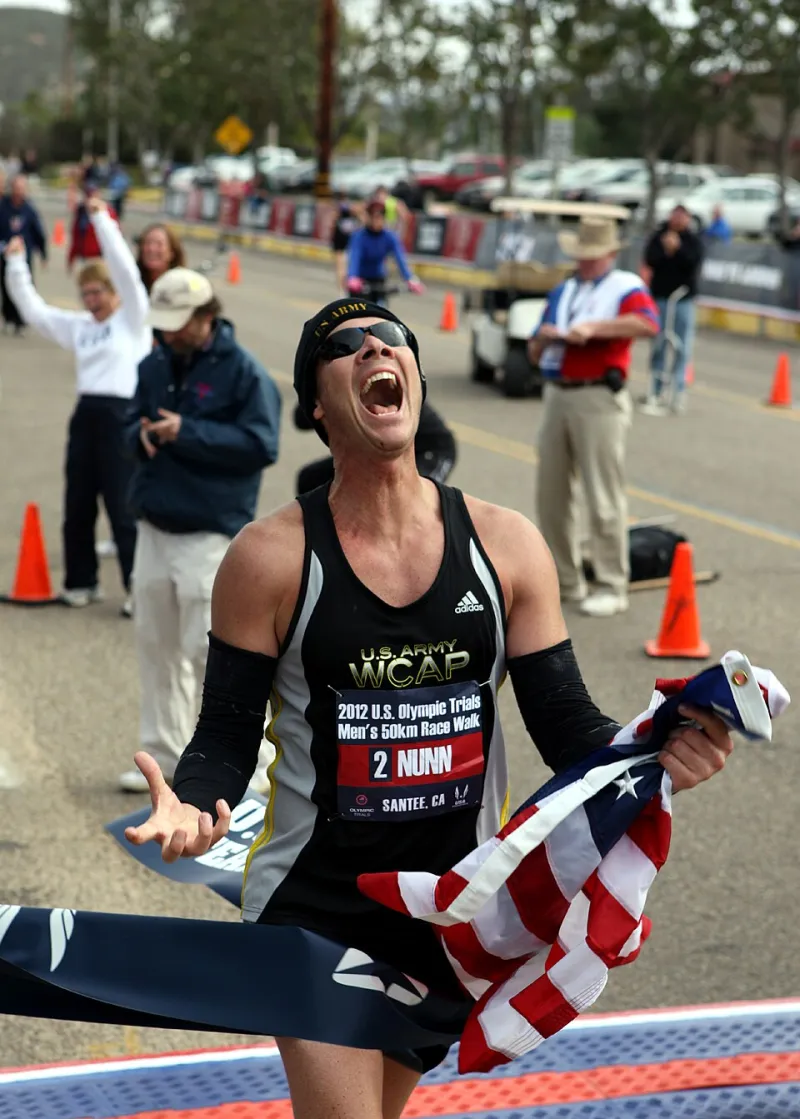
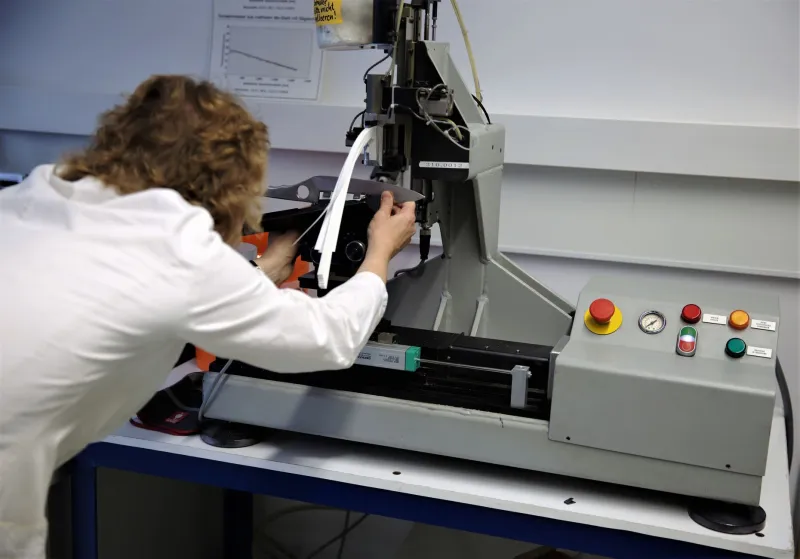
Professionals test equipment under contract, with brands shipping them prototypes and paying for the privilege. Everyone else pays retail and hopes. But the gap is narrower than it appears: a surprising number of legitimate testing channels exist for American athletes willing to plan ahead. Here are the seven that actually work.
1. Manufacturer Demo Days
Nothing replaces testing equipment in real conditions. Ski brands run on-mountain demos at resorts across Colorado, Utah, and Vermont throughout the season — typically free with a lift ticket. Golf manufacturers tour driving ranges nationwide with full demo fleets, and running brands host group test runs at specialty stores. Check brand event calendars and local retailer social feeds; these events fill the closest thing to a pro testing environment that amateurs can access.
2. Specialty Retailer Fitting Programs
Independent running stores, bike shops, and golf retailers frequently offer fitting services that include trial equipment. A running gait analysis with treadmill test shoes, a bike fit with sizing hardware, or a club fitting with launch monitor data converts an uncertain purchase into a measured decision. Many shops credit the fitting fee toward a purchase — ask before you book.
3. Rental and Trial Programs
Ski rental shops, including demo-tier rentals at major resorts, let you ski premium skis for a day at modest cost. Golf club rental services ship name-brand irons and drivers for multi-week trials. Even high-end road bikes are available through peer-to-peer rental platforms in major US cities. A $60 rental is cheap insurance against a $600 mistake.
4. Return Policies Used Strategically — and Ethically
Major US retailers like REI, Dick's Sporting Goods, and Running Warehouse maintain return windows that allow genuine testing. The ethical line matters: use returns to evaluate fit and performance in honest conditions, not as a free rental rotation. Read the terms — outdoor gear policies in particular have tightened — and keep receipts.
5. Brand Trial and Satisfaction Guarantees
Several manufacturers have built trial periods into their business models. Some running shoe brands offer 30-day test runs; bedding and recovery-tool companies routinely offer 90–100 night trials; some racket and club makers provide exchange programs. These guarantees exist because the brands know most buyers keep the product — use them.
6. Community and Club Equipment Swaps
Local triathlon clubs, ski clubs, and league networks are informal testing networks. Borrowing a teammate's spare wheels, second racket, or old-season skis for a workout costs nothing and generates honest feedback from someone who trains in your actual conditions. Return the favor and the network compounds.
7. Structured At-Home Testing Protocols
For gear that arrives at your door, test deliberately rather than accidentally. Define what you're evaluating — comfort, traction, fit, battery life — and design a repeatable test: the same route, the same workout, the same conditions, multiple sessions. Keep brief notes. A structured comparison across two or three options produces better conclusions than a month of casual use ever will.
Test Like It Matters
The common thread across all seven channels is intention. Professionals don't evaluate gear by wearing it to the grocery store; they test it under the specific stresses it will face in competition. Amateurs who adopt the same discipline — real conditions, defined criteria, honest comparison — make equipment decisions with a confidence that no review article, including this one, can substitute for.