Strategic Downtime: The Physiological Case for Building Rest Into Your Training Cycle
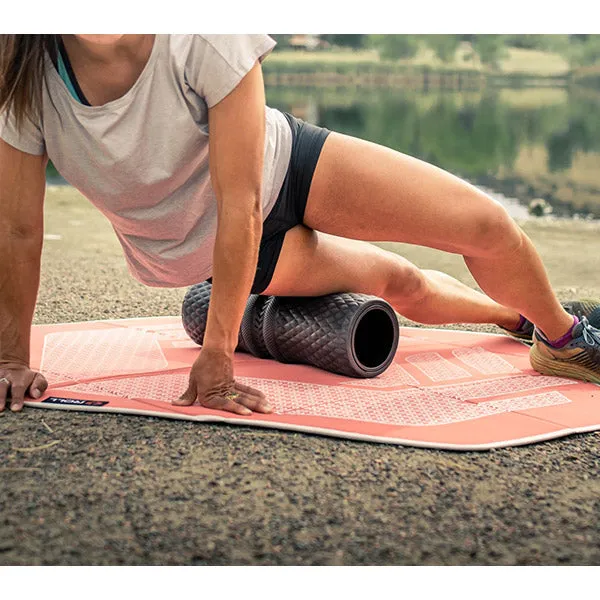
Photo: athlete recovery compression gear foam roller rest day, via cdn.shopify.com
For decades, American athletic culture has celebrated the grind. Early mornings, double sessions, and training through soreness have been worn as badges of honor from high school locker rooms to Division I programs. Yet exercise physiologists have been quietly, persistently making a counter-argument that the most elite athletes in the world have already accepted: the body does not improve during training. It improves during recovery.
Understanding this distinction is not a concession to comfort. It is a competitive advantage.
The Adaptation Window: What Happens When You Stop Moving
When you subject your muscles to high-intensity effort—whether that is a 400-meter interval session, a heavy squat protocol, or an extended plyometric drill—you are creating microscopic damage to muscle fibers and depleting glycogen stores. The training stimulus itself is, in a very literal sense, a controlled form of stress.
The body responds to that stress through a process called supercompensation. After a training bout, performance capacity temporarily dips below baseline. Given adequate recovery time and proper nutritional support, the body rebuilds slightly stronger than it was before. Repeat this cycle intelligently, and you accumulate genuine performance gains over weeks and months.
Skip recovery, however, and you interrupt that cycle. Repeated training without sufficient rest keeps the body in a perpetual state of breakdown. The result is not toughness—it is overtraining syndrome, a well-documented condition characterized by declining performance, increased injury susceptibility, hormonal disruption, and psychological fatigue.
A 2021 review published in the International Journal of Sports Physiology and Performance found that athletes who periodized rest days strategically within their training blocks demonstrated measurably greater strength and endurance gains over a 12-week period compared to those who trained at constant high volume without structured recovery phases.
Sleep: The Most Underutilized Performance Tool in Your Arsenal
No supplement, no piece of equipment, and no training methodology delivers returns comparable to quality sleep. During slow-wave and REM sleep cycles, the body releases human growth hormone, repairs connective tissue, consolidates motor learning, and restores immune function.
The National Sleep Foundation recommends that adult athletes target between eight and ten hours per night during periods of heavy training load. Yet surveys of collegiate and professional athletes consistently show average sleep durations closer to six and a half hours—a gap that represents a significant, largely voluntary performance deficit.
Practical steps for improving sleep quality include maintaining a consistent sleep-wake schedule even on weekends, cooling the bedroom to between 65 and 68 degrees Fahrenheit, and eliminating screen exposure in the 60 minutes before bed. For athletes dealing with travel or irregular schedules, blackout curtains and white noise machines are low-cost investments with measurable returns.
Active Recovery: Movement as Medicine
Complete rest is not always the correct prescription. Active recovery—low-intensity movement performed on designated off days—has been shown to accelerate the clearance of metabolic byproducts, reduce delayed onset muscle soreness (DOMS), and maintain neuromuscular activation without adding meaningful training stress.
Effective active recovery sessions typically involve 20 to 40 minutes of light cardiovascular work such as easy cycling, swimming, or walking, combined with deliberate mobility work. The goal is to elevate heart rate to roughly 50 to 60 percent of maximum—enough to promote circulation without taxing the central nervous system.
Mobility work on recovery days deserves particular emphasis. Dynamic stretching, foam rolling, and targeted soft tissue work address the fascial restrictions and muscular adhesions that accumulate during hard training weeks. Athletes who neglect this component frequently find that tightness in secondary muscle groups—hip flexors, thoracic extensors, and calves are common culprits—creates movement compensations that eventually manifest as overuse injuries.
Recovery-Specific Gear: Investing in the Tools That Accelerate Adaptation
At SportsProMax, we recognize that recovery is not passive. It demands the same intentional approach and quality equipment as any other phase of your training.
Compression Apparel works by applying graduated pressure to limbs, which supports venous return—the process by which deoxygenated blood moves back toward the heart. Post-exercise compression garments have demonstrated effectiveness in reducing perceived muscle soreness and swelling, particularly following lower-body training sessions. Our compression tights and recovery sleeves are constructed from medical-grade fabric blends that maintain consistent pressure gradients through extended wear.
Foam Rollers and Percussion Tools are essential instruments for self-myofascial release. High-density foam rollers allow athletes to apply sustained pressure to targeted muscle groups, breaking up adhesions and improving tissue quality over time. Percussion massage devices—sometimes called massage guns—deliver rapid, localized vibration therapy that research suggests can reduce muscle stiffness and improve range of motion in under ten minutes of use. SportsProMax carries a range of both tools, from entry-level foam rollers for athletes new to soft tissue work to professional-grade percussion devices used by physical therapists and athletic trainers at the collegiate level.
Recovery Footwear is a category that serious athletes frequently overlook. Supportive, cushioned slides and sandals designed specifically for post-training use reduce the cumulative standing and walking load on feet and ankles during recovery windows. Given that the foot contains 26 bones and more than 100 muscles, tendons, and ligaments, dedicated recovery footwear is not a luxury—it is sound biomechanical practice.
Nutrition Timing: The Recovery Window Is Real
The 30 to 45 minutes following intense exercise represent a period of heightened nutrient sensitivity. Muscle cells are particularly receptive to glucose uptake, and protein synthesis rates are elevated. Consuming a combination of fast-digesting carbohydrates and high-quality protein during this window has been consistently shown to accelerate glycogen resynthesis and reduce muscle protein breakdown.
A practical post-training target is approximately 0.3 to 0.4 grams of protein per kilogram of bodyweight, paired with a two-to-one ratio of carbohydrates to protein. For a 180-pound athlete, that translates to roughly 25 grams of protein and 50 grams of carbohydrates within the first hour after training.
Hydration deserves equal attention. Even modest dehydration—as little as two percent of bodyweight—impairs muscular endurance, cognitive function, and recovery kinetics. Electrolyte replacement is particularly important following sessions involving significant sweat loss.
Building a Recovery Protocol That Matches Your Training Demand
There is no universal recovery formula. The appropriate volume and intensity of recovery work scales with training load, athlete age, and individual stress tolerance. A competitive marathon runner preparing for a spring race requires a different recovery architecture than a recreational powerlifter.
What remains consistent across athlete profiles is the principle that recovery must be planned, not improvised. Build rest days into your training calendar with the same deliberateness you apply to your hardest sessions. Track subjective recovery markers—sleep quality, morning resting heart rate, perceived energy levels—and adjust training loads when the data suggests your body has not fully adapted from the previous cycle.
The athletes who sustain peak performance across full competitive seasons are not those who train hardest. They are those who recover most effectively. At SportsProMax, we build our product line and training philosophy around that understanding—because professional-grade performance demands a professional-grade approach to every phase of the athletic process, including the ones that happen when you put the weights down.